 how-to
Does Indoor Golf Feel Like Real Golf? What to Expect
Table of Contents
- Indoor Golf vs Real Golf: What Actually Feels Different
- Golf Simulator Accuracy: Where the Numbers Match Reality
- TrackMan Golf Simulator Practice: What It Feels Like at SVN2
- Frequently Asked Questions
Last Updated: October 20, 2026
Indoor Golf vs Real Golf: What Actually Feels Different
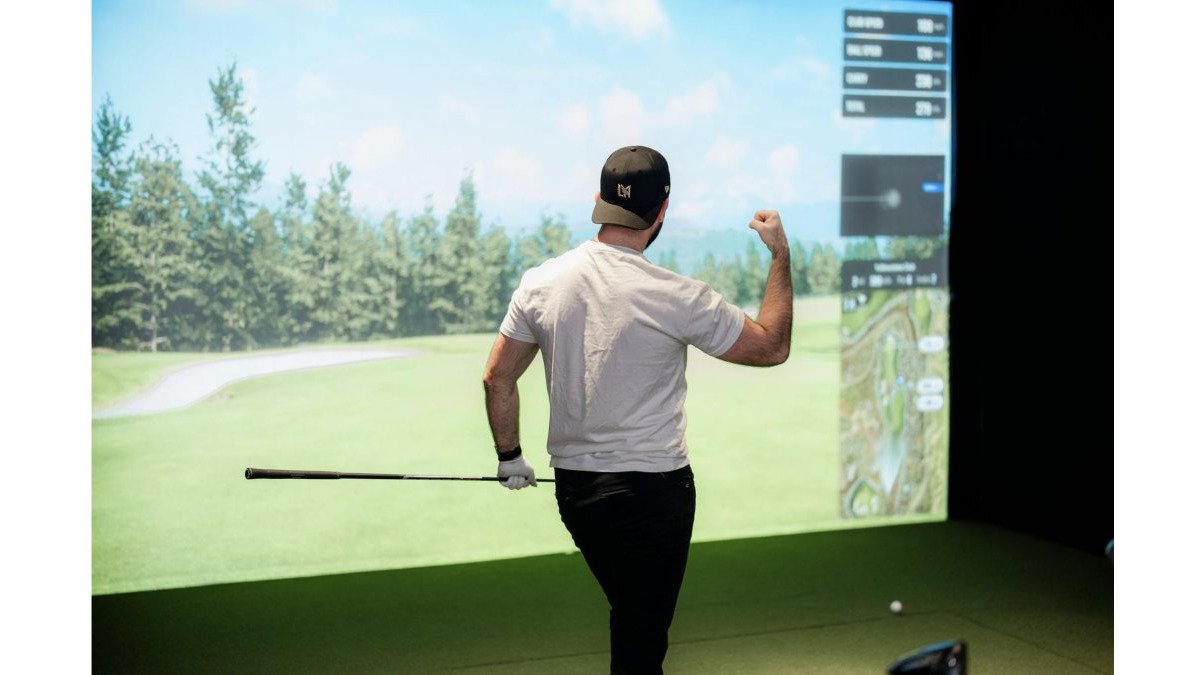
Does indoor golf feel like real golf? Mostly yes on ball flight, clearly no on wind, sun, and uneven ground. At SVN2 Indoor Golf, a simulator copies what you can measure and skips what you can only sense.
Your swing is your swing: the ball leaves the clubface at the same speed and spin indoors as outside, and the screen shows that flight within seconds. What does not carry over: no wind, no glare, no slope underfoot.
The physical feel is closer than people expect, and the social feel is different in a good way: bays are private, the pace is yours, and nobody waits behind you.
Golf Simulator Accuracy: Where the Numbers Match Reality
Golf simulator accuracy is strongest on the numbers you can check and weakest on the ones you cannot. Launch monitors measure club speed, ball speed, launch angle, and spin directly, then calculate carry and total distance, which assumes no wind and a flat landing area, so a 240-yard carry indoors may play shorter into a headwind outdoors.
| What you are checking | How much to trust it indoors | What to do with it |
|---|---|---|
| Club and ball speed | High | Use it to track swing changes over time |
| Carry distance | High | Use it to build your yardage chart |
| Wind and weather effects | None | Adjust on the course, not indoors |
This is where the indoor golf vs real golf comparison gets practical. A simulator gives you a repeatable environment, so when a number changes, the change came from you.
TrackMan Golf Simulator Practice: What It Feels Like at SVN2
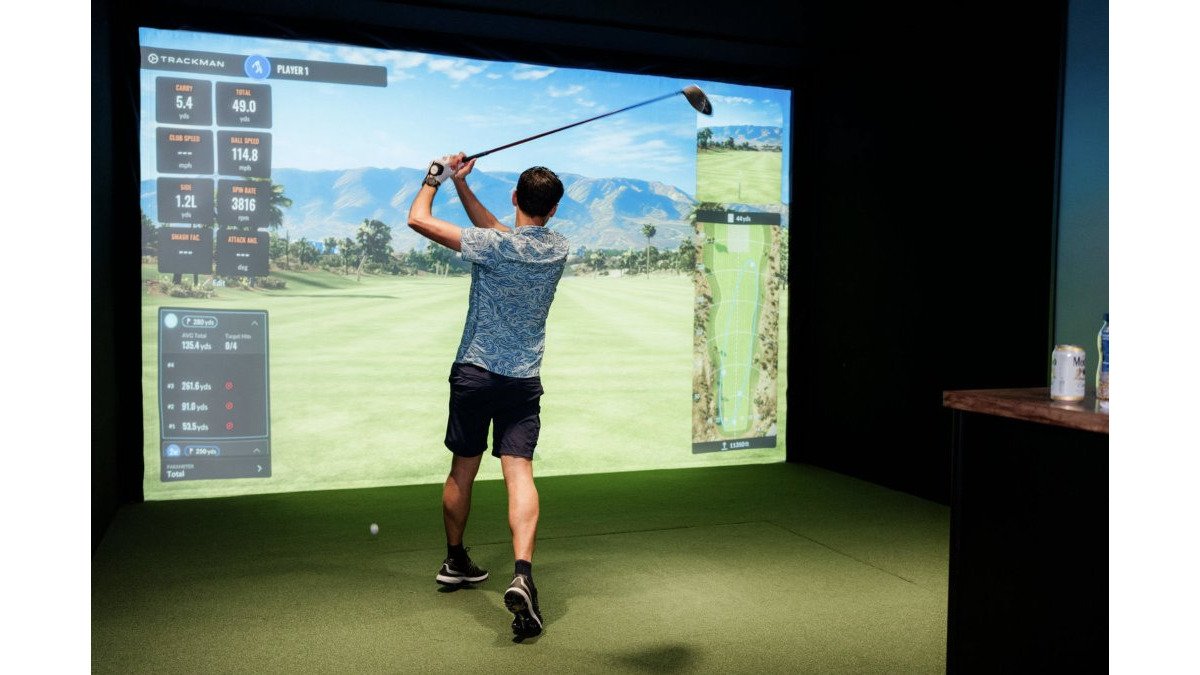
TrackMan golf simulator practice at SVN2 Indoor Golf is fully self-service: you book, walk in, hit, and the screen hands you a full breakdown of every swing, club path, face angle, smash factor, spin, and carry. Refining these technical metrics indoors provides a consistent foundation for your short game, much like the precision required when installing backyard greens to maintain year-round putting practice at home.

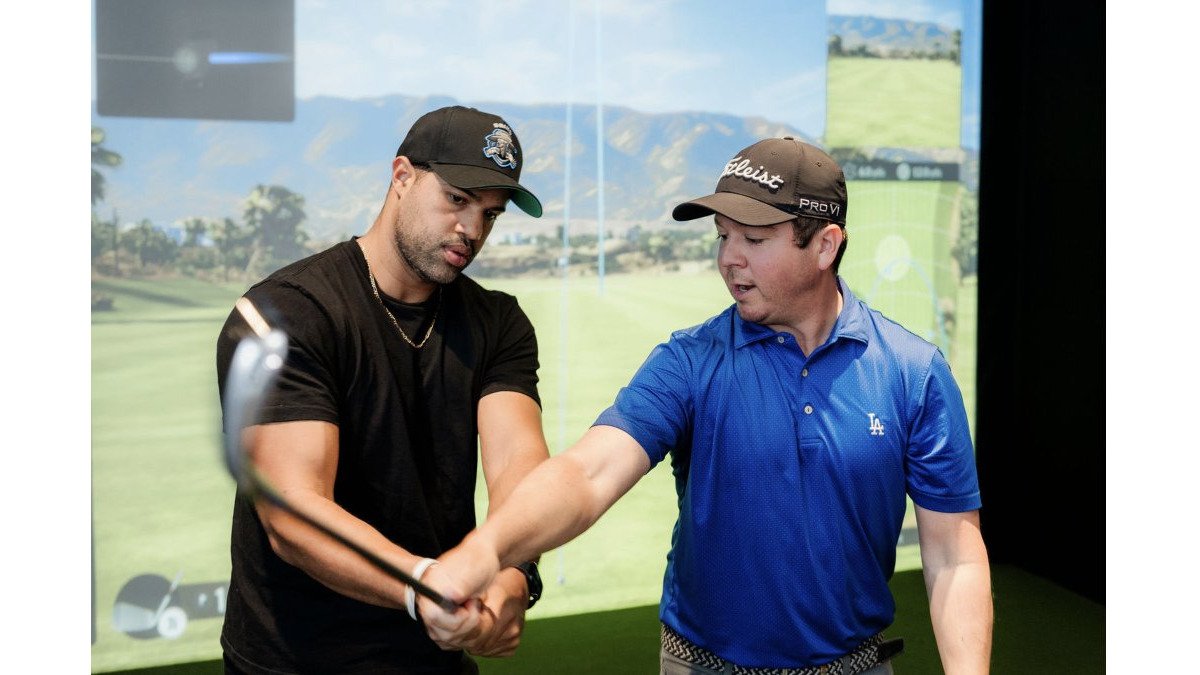
The first session feels like a range session with a coach standing silently beside you. You hit a shot, glance at the numbers, and adjust, a 15-handicap can finally see why the ball curves. Casual groups play simulated courses and ignore the analytics entirely, and a quick 30-minute session fits between meetings.
What most guides miss is that the value comes from repetition in a controlled setting. You are not guessing whether the wind moved that ball. You know it did not.
The gap between practice and performance usually comes down to feedback. SVN2 Indoor Golf closes that loop with TrackMan simulators that show club path, face angle, and carry on every shot, plus a fully self-service setup that fits a busy week. Students, faculty, first responders, seniors, and veterans can join through our community memberships. Book now and see your numbers for yourself.
Frequently Asked Questions
Does indoor golf feel like playing on a real course?
The swing itself feels close to real golf because you are standing on turf, hitting a real ball, and tracking actual ball flight data. What changes is the environment: no wind, no sun, and no walking between shots. The indoor golf feel is most authentic in the impact and ball flight, and least authentic in the sensory details like weather and terrain underfoot. Many players describe it as focused practice rather than a full round.
How accurate are golf simulators compared to a real course?
Modern launch monitors like TrackMan measure club speed, ball speed, launch angle, and spin, then calculate ball flight. For full swings, golf simulator accuracy is close enough that yardage gaps translate to the course. Short game and putting are less exact because a mat cannot replicate real green speed and break. Use simulator data for distance and swing mechanics, and treat putting as a rough guide.
Can TrackMan golf simulator practice actually improve my game?
Yes, if you use the data. TrackMan shows exactly where your club path, face angle, and strike location send the ball, which a driving range cannot measure. That feedback shortens the trial-and-error loop. Players who review shot data and adjust during TrackMan golf simulator practice sessions tend to see changes in ball flight faster than those hitting balls without feedback. Book a session at SVN2 and bring a specific shot to work on.