 blog
7 Urban Golf Performance Alternatives Worth Comparing
Last Updated: November 12, 2026
Quick Summary
Urban golf performance alternatives are indoor simulator facilities that differ on five points: launch monitor technology, assessment and onboarding, booking terms, pricing structure, and group suitability. Compare each facility on these criteria before booking, using current rates confirmed directly with the venue.
- Radar-based launch monitors like TrackMan measure ball speed, launch angle, spin and carry distance.
- Pay-as-you-go suits occasional players, while memberships favor golfers who practice weekly.
- Estimate your monthly session count and compare it against each facility's membership and single-session rates.
- Choose a facility by matching your goal first, whether that is data, coaching, social play or events.
- SVN2 Indoor Golf offers community memberships for students, faculty, first responders, seniors and veterans.
Table of Contents
- Why Golfers Look for Urban Golf Performance Alternatives
- What to Compare in an Indoor Golf Simulator Facility
- TrackMan Golf Simulator Practice: What the Data Shows You
- Indoor Golf Memberships Versus Pay-as-You-Go Sessions
- Comparing Alternatives Side by Side
- Reading Urban Golf Performance Reviews Critically
- Matching a Facility to Your Golfer Type
- Booking Your First Session at SVN2 Indoor Golf
- Frequently Asked Questions
Why Golfers Look for Urban Golf Performance Alternatives
Golfers compare indoor facilities for a few practical reasons: price per session, how much swing data they get, and whether the room suits their group. Anyone researching urban golf performance alternatives will want a clear, criteria-based picture before they book anywhere.

Most golfers do not search for an alternative because something is broken. They search because their needs have changed. A player who once wanted to chase a lower handicap may now want a relaxed room for weekend games with friends. A busy professional may need a drop-in option rather than a monthly commitment.
Start by naming your main goal. Analysis, practice, social play and team events each point to a different type of facility. Keep that goal in front of you as you read the rest of this guide.
What to Compare in an Indoor Golf Simulator Facility
Compare facilities on five points: the simulator technology, the level of swing data you receive, how you pay, when you can come in, and who the room is built for.
Technology matters most for serious players. Ask whether the bays run Trackman units and whether you can review your own shot data after each session. Pay-as-you-go pricing suits occasional players, while memberships can make sense for frequent practice.
Ask for current prices directly from each facility, because pricing depends on the package, the time of day and the group size.
TrackMan Golf Simulator Practice: What the Data Shows You
TrackMan is a radar-based launch monitor. It measures ball speed, launch angle, spin and carry distance, then displays those numbers after each shot (The Ultimate Guide to Understanding Trackman). For a golfer trying to understand a yardage gap or a pattern of misses, that feedback is the main reason to practice on a simulator.
The data is most useful when you practice with a purpose. Pick one variable, such as face angle or carry distance with a single club, and hit a set of balls focused on that alone. Review the numbers at the end of the set rather than after each shot, which keeps you from chasing small swings.
At SVN2 Indoor Golf, you get a detailed breakdown of your swing data to support that kind of focused work.
Indoor Golf Memberships Versus Pay-as-You-Go Sessions
Pay-as-you-go suits golfers who come in a few times a month or who want to test a facility before committing. You pay for the time you use and avoid a recurring charge.
Memberships fit golfers who practice weekly. The math favors a membership only when your usage is steady enough to outweigh the fixed cost. Before choosing, estimate how many sessions you will realistically book each month, then compare that figure against each facility's membership and single-session rates.
Community memberships for students, faculty, first responders, seniors and veterans are also available at SVN2 Indoor Golf.
Comparing Alternatives Side by Side
A criteria-based comparison you can run yourself, using the same five dimensions for every facility you evaluate, helps you decide which room fits your needs. For a direct head-to-head look at The Park Golf Lounge vs Golf Envy, see how these two venues stack up on the same points.

The five evaluation criteria
**1. Radar-based units like TrackMan capture ball speed, launch angle, spin and carry (What is a Golf Launch Monitor?).
2. Assessment and onboarding. Does the facility offer a structured first session, a swing assessment, or a coached introduction? Ask what the first visit looks like before you book.
3. Practice access and booking terms. Check whether you can book on short notice, whether walk-ins are accepted, and what the cancellation window is.
4. Pricing structure. Compare single-session rates against membership tiers, and confirm what each tier includes. Ask for current rates directly, because pricing depends on package, time of day and group size.
**5.
A practical evaluation checklist
Use this checklist for every facility you shortlist:
- Launch monitor brand and model confirmed
- Session report or data export available
- First-visit orientation or assessment offered
- Walk-in policy and cancellation window confirmed
- Single-session rate and membership tiers compared
- Bay count and group capacity confirmed
- Coach credentials and lesson format reviewed, if coaching matters to you
- Current pricing confirmed directly with the facility
How SVN2 Indoor Golf scores on the criteria
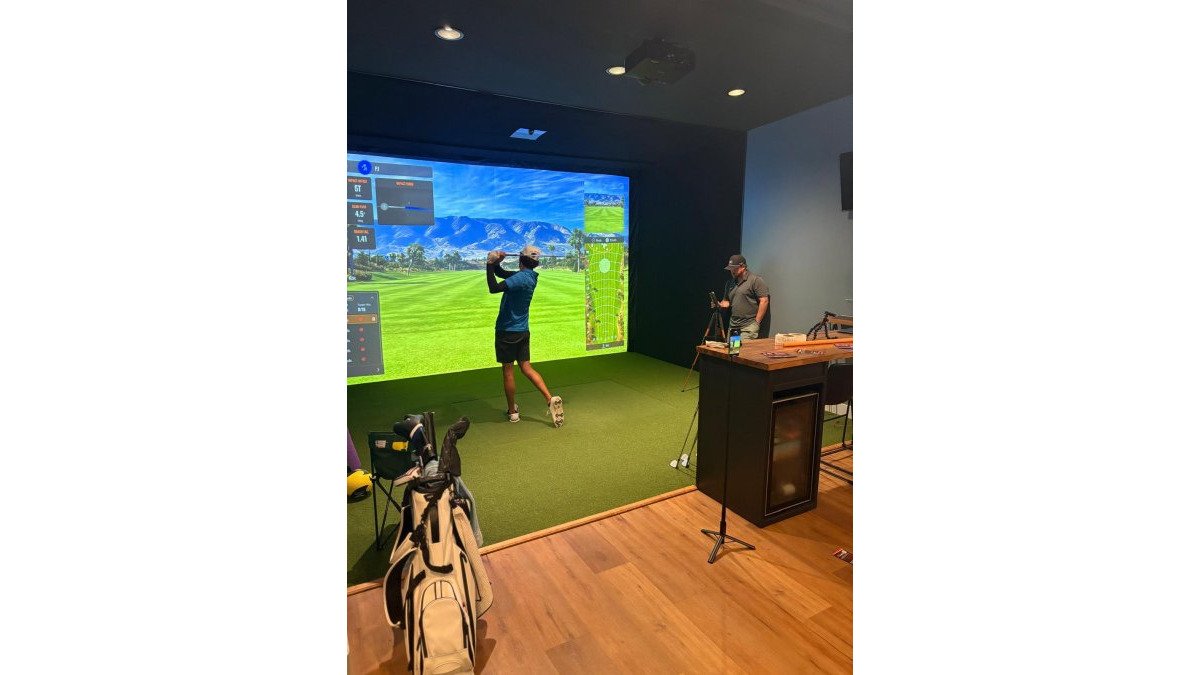
SVN2 Indoor Golf runs Trackman simulators with detailed swing breakdowns, and the facility is built around fully self-service play. Community memberships for students, faculty, first responders, seniors and veterans are also available.
Best for: golfers who want data-rich practice and control over their own session.
Confirm before you book how much session data is included.
The table below summarises the five criteria to check when comparing facilities, drawn from the points covered in this section.
| Criterion | What to check | Why it matters |
|---|---|---|
| Launch monitor technology and data access | Brand and model, plus session report availability | Radar units like TrackMan capture speed, launch, spin and carry |
| Assessment and onboarding | Whether a structured first visit or swing assessment is offered | Shows what the first session looks like before booking |
| Practice access and booking terms | Walk-in policy and cancellation window | Determines how easily you can book on short notice |
| Pricing structure | Single-session rates versus membership tiers and what each includes | Pricing depends on package, time of day and group size |
| Group and event suitability | Bay count, room layout and event hosting | Decides whether the room fits a foursome, league night or outing |
Reading Urban Golf Performance Reviews Critically
Reviews are useful, but check who wrote them and when. A review from a golfer who wants social play will judge a facility differently from one written by a player focused on data.
Look for specifics: how long the booking took, whether the data matched the feel of the swing, and what the total cost came to. Be skeptical of reviews that only praise or only criticize without detail. Compare several reviews across different sources before you draw a conclusion.
Matching a Facility to Your Golfer Type
The most common booking mistake is choosing the most popular facility rather than the one that fits your situation. A serious player and a weekend foursome need different rooms, different data and different booking terms. Use the profiles below to match the venue to your goal before you compare prices.
Beginners and golfers returning after a break
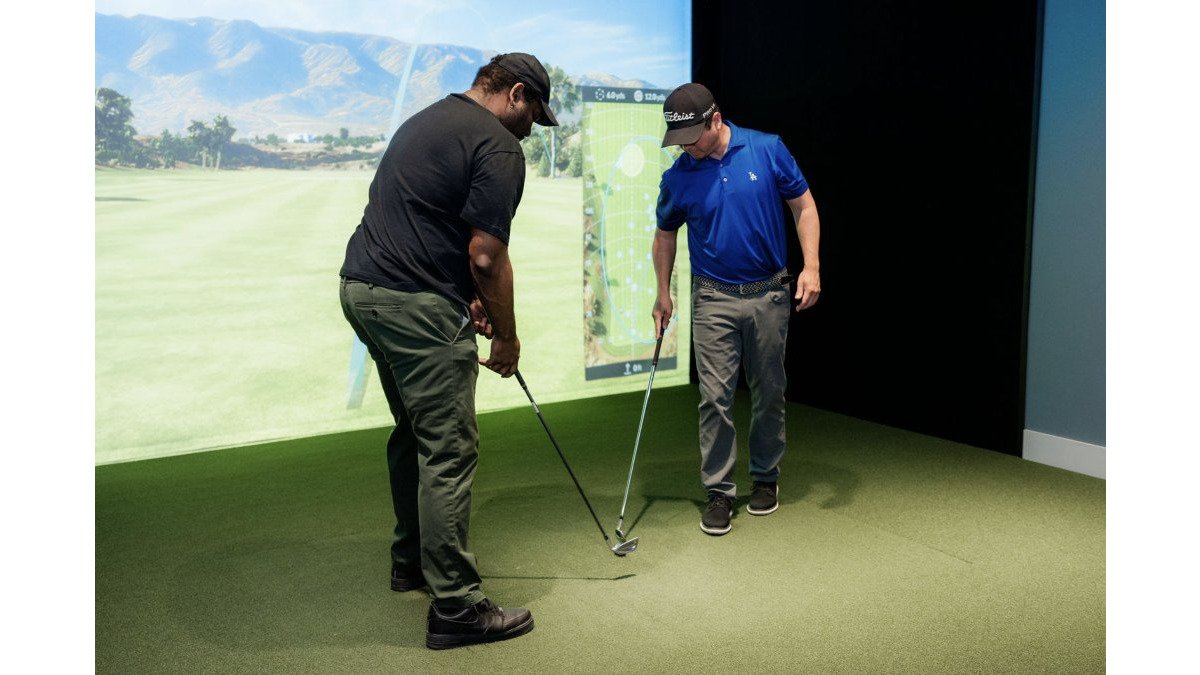
If you are new to simulators or coming back after years away, prioritize a facility where the first session is low-pressure. Look for self-service bays, clear on-screen instructions, and staff available if you need help but not standing over your shoulder. A structured first visit, even a short orientation, shortens the learning curve. At SVN2 Indoor Golf, the self-service setup lets you start slowly and work on one swing change at a time without an audience.
What to confirm: whether staff are on site during your booking window, and whether the bay setup is explained before your first shot.
Serious golfers focused on data and practice
If your goal is lower scores through focused practice, data quality is the deciding factor. Prioritize facilities running TrackMan or a comparable radar unit, with session reports you can review afterward. SVN2 Indoor Golf's detailed swing breakdown supports this kind of focused work.
What to confirm: session report access, peak-hour availability, and whether you can book recurring weekly slots.
Casual and social groups
If you are booking for friends, a date night or a relaxed weekend round, prioritize room layout, bay count and easy booking over data depth. A facility with a comfortable lounge, food and drink options, and flexible group booking will serve you better than one optimized for solo practice. Confirm group capacity and whether the bay accommodates the number of players you are bringing.
What to confirm: group capacity per bay, minimum booking length, and whether food and drink are available on site.
Corporate and team event organizers
Event bookings hinge on capacity, layout and scheduling flexibility. To see how indoor golf works for corporate and group events, read our guide on whether it is the right choice for your next outing. Ask how many bays the facility can hold at once, whether the room can be reserved exclusively, and what the cancellation terms are for a group booking. A facility that hosts events regularly will have a standard run sheet; one that does not may leave you managing logistics yourself.
What to confirm: exclusive-use availability, group cancellation terms, and whether the facility provides event coordination.
Golfers focused on fitness and swing mechanics
If your priority is the physical side of the swing, mobility, speed or mechanics, look for a facility that pairs simulator data with coaching or assessment options. Data alone shows what the ball did; a coach or structured assessment explains why. Confirm whether coaching is available on site or by appointment, and whether the facility offers any swing-assessment service beyond raw numbers.
What to confirm: coaching availability, assessment format, and whether lesson packages are offered alongside bay time.
A quick decision rule
If you want data and control, choose a self-service TrackMan facility. If you want coaching every visit, choose a facility with staff on site. If you want a social night out, choose a room built for groups. If you are organizing for a company, choose a facility with event experience. Match the profile first, then compare price.
Booking Your First Session at SVN2 Indoor Golf
Booking is straightforward. Choose a time that fits your schedule, select a session type, and reserve your bay through the SVN2 Indoor Golf website. Confirm the current rate on the booking page before you pay.
Arrive a few minutes early to get settled. Set one practice goal before you start, such as checking carry distance with your 7-iron, and use the swing data to measure progress against it.
Book Now at SVN2 Indoor Golf. For the step-by-step process, see our guide to booking an indoor golf simulator session.
Frequently Asked Questions
What are the best alternatives to Urban Golf Performance?
The right alternative depends on what you need most: detailed swing data, a relaxed social setting, or flexible access without a long commitment. Start by listing your priorities, then compare facilities on simulator technology, whether they offer self-service or coached sessions, and how memberships are structured. SVN2 Indoor Golf is one option to evaluate, offering self-service facilities with Trackman simulators and a pay-as-you-go model. Visit the facility website for current pricing, since rates depend on the session and package you choose.
Is there a cheaper alternative to TrackMan?
TrackMan is one of the most established launch monitor and simulator technologies, so cheaper options exist but usually trade off some depth of data. When comparing, check whether a facility uses TrackMan itself, since the ball flight and club data are what make the practice useful. Ask each facility what metrics its simulator reports, such as carry distance, club path and face angle. Pricing varies by facility, so request current rates directly before deciding.
How can I compare indoor golf memberships and pay-as-you-go options?
Start with how often you plan to train. Pay-as-you-go suits golfers who visit occasionally or want to try a facility before committing, while a membership usually makes sense for frequent practice. Look at what each option includes, whether bay time is limited, and how easily you can book a session around a busy schedule. SVN2 Indoor Golf offers a pay-as-you-go approach and community memberships for students, faculty, first responders, seniors, and veterans. Confirm current terms on the website.
What should I look for in an indoor golf simulator facility?
Focus on the simulator technology, the quality of the swing data you receive, and how flexibly you can book. Check whether the space suits your group size if you plan to play with friends, and whether the booking model fits your schedule. Reviewing customer feedback, such as comments on the accuracy and depth of the data, can also help you narrow the options.